Wednesday, May 22, 2013
Our 22 Covered Species
Bank Swallow
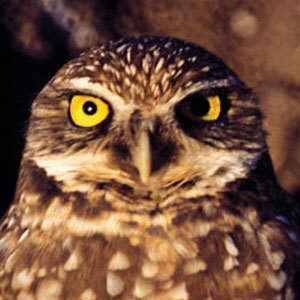
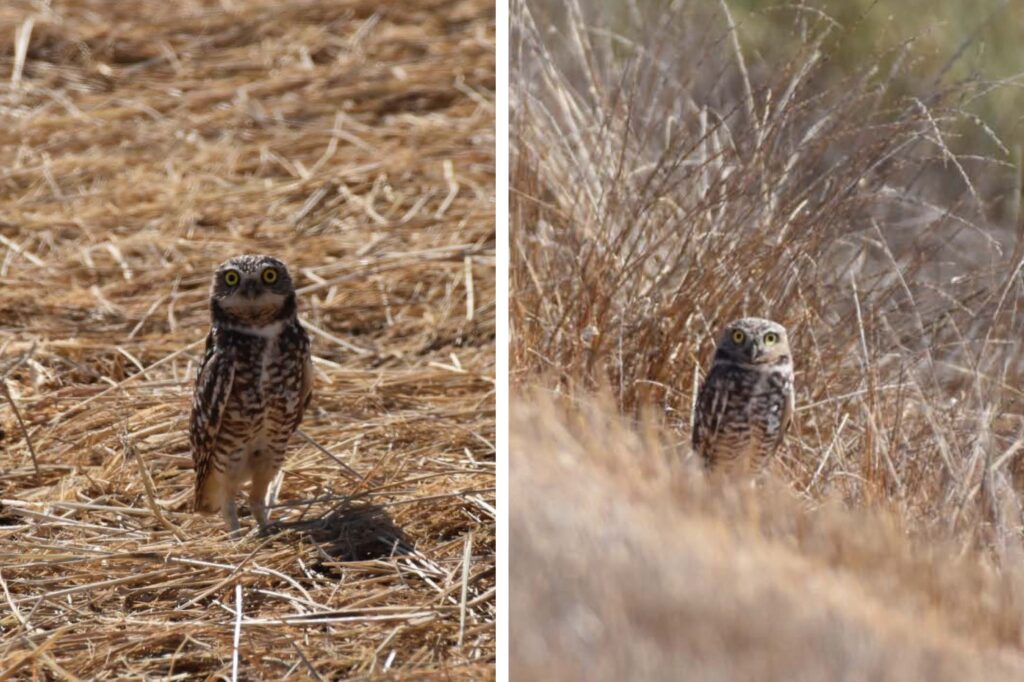
Burrowing Owl
Cackling Goose
White-Faced Ibis
Western Spadefoot Toad
Northwestern Pond Turtle
Vernal Pool Tadpole Shrimp
Vernal Pool Fairy Shrimp
Valley Elderberry Longhorn Beetle
Tricolored Blackbird
Swainson's Hawk
Slender Orcutt Grass
Sanford's Arrowhead
Sacramento Orcutt Grass
Midvalley Fairy Shrimp
Loggerhead Shrike
Legenere
Giant Garter Snake
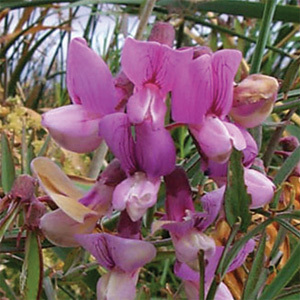
Delta Tule Pea
California Tiger Salamander
Colusa Grass
Boggs Lake Hedge-hyssop
Natomas Basin Icon

The mission of The Natomas Basin Conservancy is to promote biological conservation along with economic development and the continuation of agriculture in the Natomas Basin. The Habitat Conservation Plan establishes a multi-species conservation program to mitigate the expected loss of habitat values and take of protected species that would result from urban development, operation irrigation and drainage systems, and rice farming. The goal of the Habitat Conservation Plan is to preserve, restore, and enhance habitat values in the Natomas Basin while allowing urban development to proceed according to local land use plans.

lines

   
Donate to the Natomas Basin Conservnacy
Covered Species Catalog
Covered Species

The Conservancy, acting as Plan Operator for the Natomas Basin Habitat Conservation Plan (NBHCP), and the Metro Air Park Habitat Conservation Plan (MAPHCP), is charged with the conservation and protection of the 22 species "covered" by both Habitat Conservation Plans and Incidental Take Permits. These Covered Species are cataloged in a publication produced by the Conservancy. The Covered Species catalog is available at no cost as a free download on the Conservancy's web site. It is useful as an educational tool for field personnel, consultants, visitors, researchers and others with a general interest in the NBHCP and MAPHCP.

PDF Document Click here to view Covered Species Catalog

Weather Map
National Weather Service: Hydrometeorological Prediction Center
Source: http://www.hpc.ncep.noaa.gov
Conservancy Maps

                 Download LANDSAT Image           blankDownload Base Map

Conservancy’s Annual Audit for year-ended December 31, 2012

 CONSERVANCY’S ANNUAL AUDIT FOR YEAR-ENDED DECEMBER 31, 2012

With another “clean opinion” from its auditors, the Conservancy’s Board of Directors moved to accept the audited financial statements for the 12-month period ended December 31, 2012. The Conservancy’s auditor for the 2012 audit report was Gilbert Associates, Inc. of Sacramento.

Gilbert met with the Conservancy’s Audit Committee, including independently. The Audit Committee recommended to the Board of Directors that the auditor’s report be accepted. The Board action took place at the Board of Director’s April 3, 2013 meeting. Under California’s Non-Profit Integrity Act of 2004, an audit of annual financial statements is required. An annual audit is also required by the 2003 Natomas Basin Habitat Conservation Plan. Audits of Conservancy financial statements are posted on the Conservancy’s web site (see here) dating back to 1999.


2013 NBHCP fee established

Slide graphic fee recent

With the required updating of the NBHCP Finance Model, Conservancy Board members made their annual HCP fee recommendation to the City Council of the City of Sacramento. This time as in recent years, the HCP fee recommendation to the City Council was for a lower fee. Now, the Council has acted on the HCP fee recommendation and the fee for the May 1, 2013 season is known.

While last year's (2012) HCP fee was $32,861 per disturbed acre, this year's fee is set at $27,419 per disturbed acre. For mitigation conducted with land dedication, the HCP is reduced from $21,611 per disturbed acre to $18,669 per acre. The HCP fee has trended downward for the last few years due to the expected reduced cost for mitigation land acquisition. Other lesser fee components made up for a small part of the balance of the reduction.

Slide graphic fee history

In 2012, there were three fee-paid mitigation actions. These included the Elverta Road and U.S. Highway 99 intersection, the Riego Road and U.S. Highway 99 intersection and a park in the City of Sacramento portion of the NBHCP Permit Area. Other development has been virtually stopped due to the current building moratorium in the Natomas Basin set by federal flood control authorities.

The Conservancy expects little mitigation activity for 2013.


Year-end 2012 LANDSAT image of Natomas posted

Year-end 2012 LANDSAT imageEach year, the Conservancy uses a photographic image of the entire 54,000-acre Natomas Basin. The image is usually drawn from year-end satellite images provided by the LANDSAT. This satellite is a leading tool in providing imagery of the Earth's surface. By doing this each year, changes in land use can be documented. Ducks Unlimited's cartography section has typically helped the Conservancy capture the best LANDSAT image, as there are typically many passes and images to choose from. It's important to secure an image that is free of smoke, haze and clouds. In this year's version, it is easy to see the urbanized area of the City of Sacramento in the lower parts of the image, and also the easy-to-spot Sacramento International Airport in the center left. Conservancy preserves are bordered in red. The LANDSAT images are an integral part of each year's Implementation Annual Report.

Click here to open LANDSAT image


More articles
Featured Conservancy Photograph
Photo Gallery
Visit Our Photo Gallery
Print this Page Email this Page
Home   |   About Us   |   Project Mitigation   |   Education   |   Helpful Documents   |   Executive Director's Blog   |   Contact Us   |   Site Map   |   DONATE
2012 © Natomas Basin Conservancy